Introduction To Leather Chaps

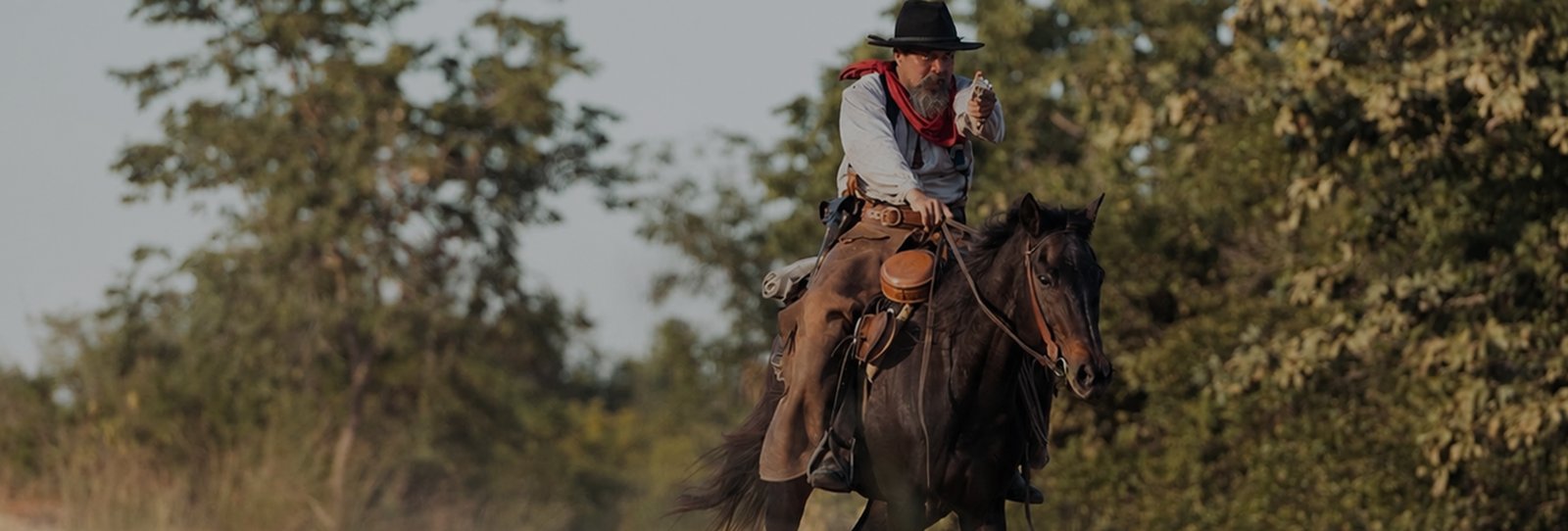
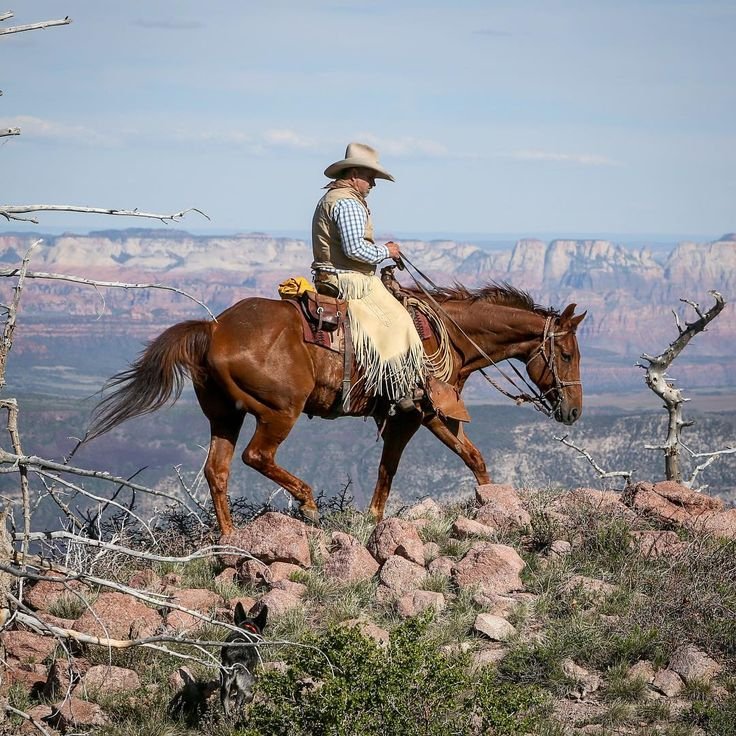
Leather chaps were originally designed as protective garments for horseback riders working in harsh outdoor environments. Built from durable leather materials, they protected riders from thorny bushes, rough terrain, cold weather, and saddle friction. Over time, leather chaps evolved beyond practical use and became an important symbol of western heritage, rodeo culture, and motorcycle fashion.

Today, leather chaps are widely used by motorcyclists, ranch workers, rodeo performers, and fashion enthusiasts who appreciate their timeless appearance and protective qualities.

Origin Of Chaps

The Spanish Influence

The history of chaps dates back to early Spanish horse riders who used protective leather coverings known as “chaparreras.” The name originated from the Spanish word “chaparro,” referring to thorny bushes commonly found in rough riding terrain. Riders needed durable protection for their legs while traveling through dense brush and desert landscapes.


the-spanish-influence

Mexican Vaqueros And Early Ranch Culture

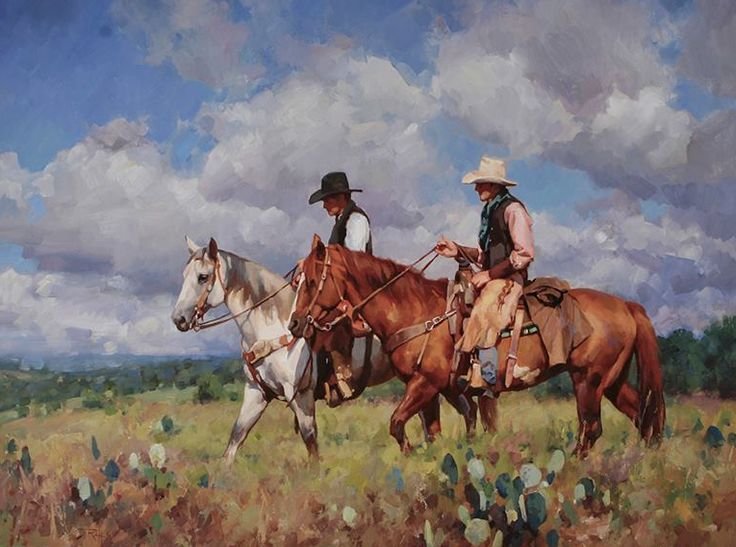
Mexican vaqueros later refined the use of leather chaps while managing cattle across large ranches. Their riding traditions heavily influenced cowboy culture in the American Southwest. As ranching expanded into Texas and surrounding territories during the 1800s, leather chaps became an essential part of cowboy gear.

Arrival In The American West

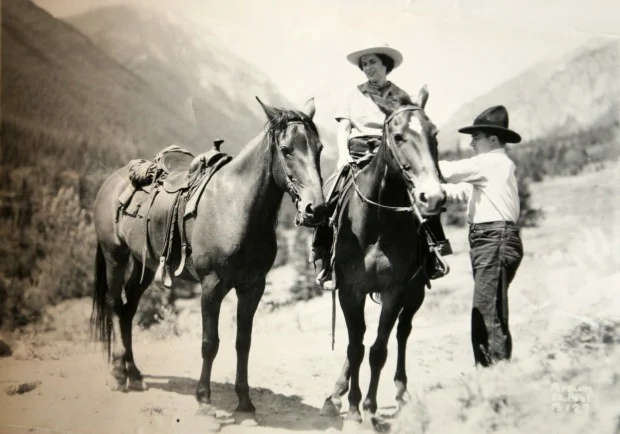
American cowboys adopted leather chaps because they offered superior protection during long cattle drives and ranch work. Different regions gradually developed their own styles, leading to the creation of shotgun chaps, batwing chaps, and woolies that are still recognized today.

arrival-in-the-american-west

Leather Chaps In The 1800s Cowboy Era